

First Signs of Puberty in Girls: What Every Parent Should Know

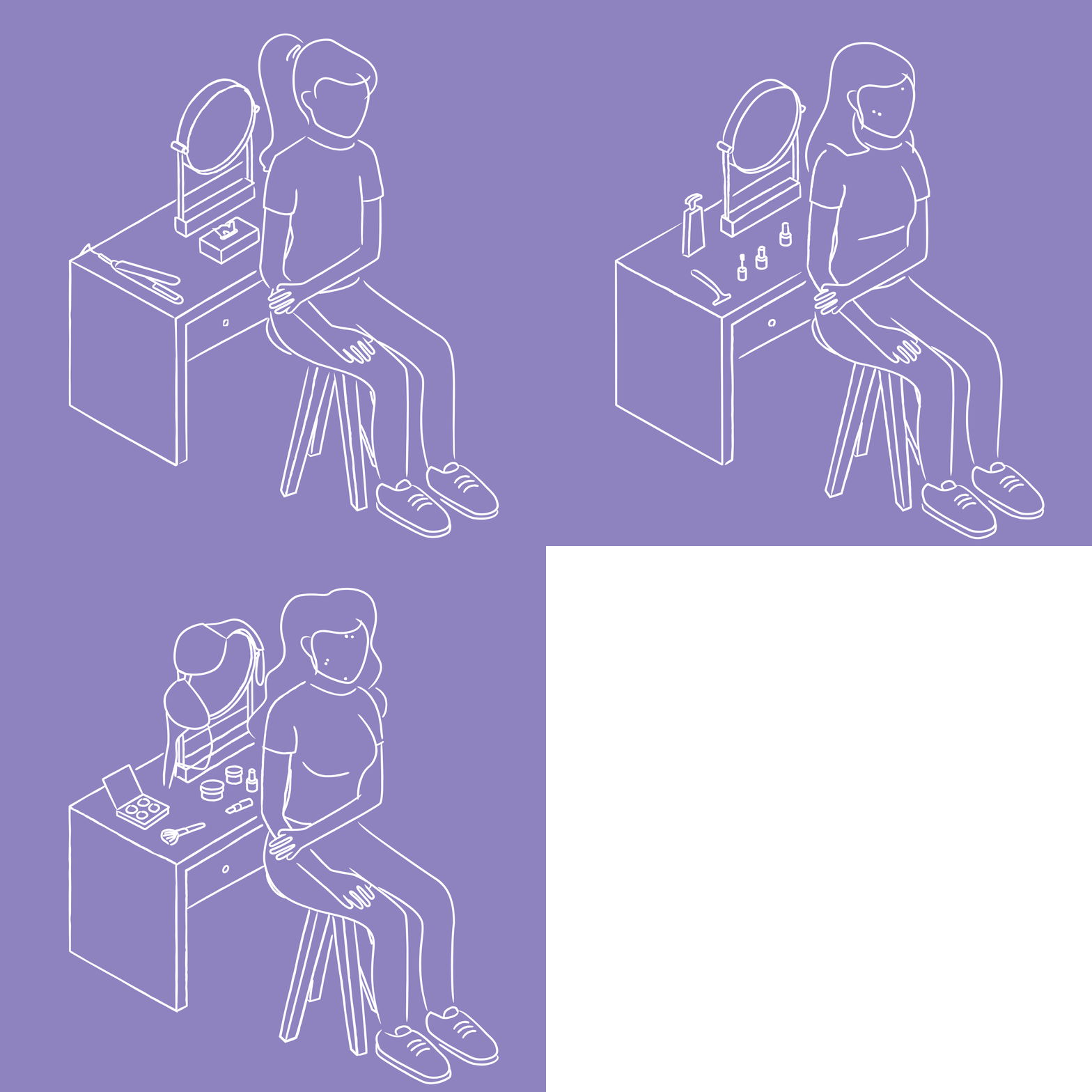
Puberty is one of the most important milestones in a girl’s life — a time when her body, mind, and emotions begin to evolve rapidly. For parents, recognising the early signs of puberty and understanding what’s normal can make this transition smoother and more reassuring.
When Does Puberty Start?
Puberty in girls typically begins between 8 and 13 years of age, though every child’s timeline is unique. Genetics, nutrition, and overall health all influence when these changes begin. Some girls may start early, others later — and both are completely normal.
The First Signs to Look For
Breast Budding:The very first visible sign of puberty is the appearance of small breast buds — slight swelling under one or both nipples. This usually happens first.
Hair Growth:Within months of breast budding, soft hair begins to appear in the pubic and underarm (axillary) areas.
Menstruation (Periods):Periods typically start about 2–3 years after breast development begins. This marks the body’s readiness for ovulation and fertility.
How Parents Can Support Their Daughters
Start early conversations about body changes before they begin. This prevents confusion or anxiety.
Normalise the process — remind her that every girl develops differently and that her pace is perfectly okay.
Teach hygiene habits gently — clean undergarments, proper washing, and menstrual hygiene later on.
Be emotionally available. Puberty brings mood changes, curiosity, and sometimes self-consciousness. A parent’s reassurance is the most stabilising anchor.
Remember
Puberty is not just physical; it’s emotional and social too.
Early awareness helps your daughter grow confident and informed.
Avoid comparisons — every child has her own timeline.
Be her guide, not her judge.
Growing up is a journey, not a race — your calm support makes it a beautiful one.
Written by Dr. Sandya M R – Consultant Obstetrician & Gynaecologist
Comments